


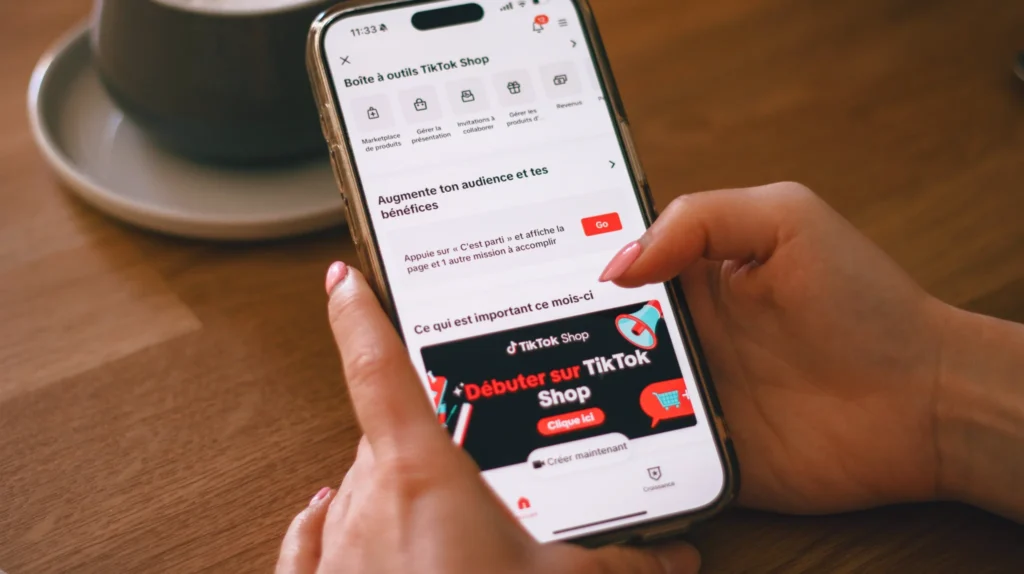
Mobile advertising has evolved dramatically since the launch of the first smartphones, transforming how brands connect with consumers. Today, in-app advertising is a cornerstone of digital marketing strategies, offering targeted, engaging, and scalable ways to reach users directly within their favorite mobile applications. With the mobile app market expanding exponentially, understanding the mechanics behind in-app advertising is essential for advertisers aiming to maximize their impact. This guide explores what in-app advertising entails, how it functions, and the various formats that make it so effective.
Key Points
- In-app (also known as mobile app) advertising involves displaying promotional content within mobile applications on smartphones and tablets.
- To serve ads, app developers typically integrate a software development kit (SDK) provided by an AdTech vendor into their app, enabling ad delivery.
- Industries like gaming, social media, utilities, and entertainment heavily depend on in-app ad revenue.
- Since app developers earn revenue through ad placements, they can offer their content free of charge, boosting downloads and user engagement.
- The current app economy is predominantly made up of free-to-download apps, with only about 5% of users making in-app purchases (IAP) to generate additional revenue.
- According to data from data.ai, users spend over five hours daily on Android devices in top markets, with billions of apps downloaded each year.
- Popular in-app ad formats include playable ads, interstitials, offerwalls, rewarded videos, standard videos, expandable ads, native ads, and banners.
The Evolution and Growth of Mobile Advertising
Mobile advertising’s trajectory has been shaped by technological advances and shifting consumer behaviors:
- The mobile phone was invented in 1973, but it wasn’t until 1992 that the first text message was sent.
- In 1997, Finnish news providers began offering free news headlines via SMS.
- The first email-capable mobile device arrived in 1999.
- The early 2000s saw the rise of mobile marketing organizations, culminating in the formation of the Mobile Marketing Association in 2003.
- In 2006, AdMob emerged as the first major mobile ad platform, enabling developers to monetize their apps.
- Google’s Mobile AdSense debuted in 2007, allowing mobile-optimized websites to display ads similar to desktop sites.
- The launch of the iPhone in 2007 revolutionized mobile advertising, introducing multi-touch interfaces that allowed users to interact with ads by shrinking, enlarging, or rotating them.
- The iPad’s release in 2010 and the subsequent introduction of Apple’s iAd platform further expanded mobile ad opportunities.
- Facebook’s mobile ad platform launched in 2012, unlocking new revenue streams for the social media giant.
The rise of smartphones and tablets has led to a significant increase in in-app activity, with users spending more time within apps than browsing the mobile web. This shift compels advertisers to develop innovative strategies for catching users’ attention amid a saturated digital environment.
Statistics from data.ai reveal that:
- Daily time spent on Android devices in top markets exceeds five hours.
- In 2022, global app downloads surpassed 255 billion, with over 485,000 apps downloaded every minute.
- Mobile ad expenditure is projected to reach $362 billion in 2023, reflecting the sector’s rapid growth despite tighter marketing budgets.
- However, spending in app stores has cooled slightly to $167 billion (-2% YoY), mainly due to decreased gaming investments post-pandemic.
Understanding In-App Advertising
In-app advertising involves displaying promotional content within mobile applications on devices such as smartphones and tablets. This approach allows brands to run targeted campaigns similar to traditional digital advertising, but with the advantage of reaching users in a highly engaging environment.
Industries like gaming, social media, utilities, and entertainment rely heavily on in-app ad models. Because app developers earn revenue by serving ads, they can offer their apps free of charge, which significantly boosts download rates. This freemium model, where apps are free but offer optional upgrades, is now the norm—only a small percentage (~5%) of users opt for in-app purchases (IAP) to unlock additional features or content.
Most apps depend on ad revenue rather than upfront charges, making in-app advertising a vital revenue stream. Although some apps operate solely on IAP, the majority combine both methods to maximize earnings.
How Are In-App Ads Delivered?
In-app ads are facilitated through the integration of SDKs (software development kits) from AdTech vendors. Developers embed these SDKs into their apps, enabling the app to communicate with ad servers and networks to fetch and display ads seamlessly.
An ad network acts as an intermediary, connecting app publishers with advertisers. It manages the process of matching ad requests from apps with suitable ad campaigns, often leveraging programmatic and real-time bidding (RTB) technologies for efficiency.
The ecosystem involves several key platforms:
- Ad exchange: Functions like a stock market, allowing advertisers to bid on individual impressions based on audience targeting criteria.
- Demand-side platform (DSP): Enables advertisers to buy ad inventory across multiple ad exchanges.
- Supply-side platform (SSP): Helps publishers manage their ad space and make it available for bidding.
The process varies depending on whether ads are bought via traditional ad networks or through RTB:
- Ad Network Model: When a user opens an app, the SDK sends an ad request to the ad network, which then matches it with an advertiser’s campaign, retrieves the ad, and displays it.
- Real-Time Bidding (RTB): The SDK sends an ad request to an SSP, which passes it to an ad exchange. Multiple DSPs evaluate the bid, compete in an auction, and the highest bid wins, resulting in the ad being shown.
For a detailed exploration of how developers can customize gaming experiences through code modifications, see this resource. Additionally, tools for optimizing ad visibility and engagement, like the built-in FPS counters, can be found here.
In-App vs. Mobile Web Advertising
While both serve ads on mobile devices, in-app advertising and mobile web advertising differ significantly:
- In-app ads require SDK integration by developers, and are displayed within the app environment—often leading to higher engagement and viewability. These ads are typically more prominent and less easily ignored, resulting in higher viewability rates, as shown by research from eMarketer.
- Mobile web ads are served similarly to desktop ads, without the need for SDKs, and are displayed within browsers. They offer broader reach and more contextual targeting, as new web pages are constantly created.
The personal nature of mobile apps, often tied to individual user habits, makes in-app environments a prime space for effective, targeted advertising. With users spending increasing amounts of time immersed in apps, marketers must craft engaging ad formats that capture attention without disrupting the user experience.
Popular In-App Advertising Formats
Choosing the right ad format depends on campaign goals. Each format offers unique advantages:
Playable Ads
Interactive “demo” ads allow users to try out features or mini-games before installing an app. These engaging ads tend to generate higher eCPMs and provide a positive user experience. Learn more about how developers are customizing gaming experiences here.
Interstitial Ads
Displayed during natural pauses, such as app launches or page switches, these full-screen ads can be static or video-based. They are designed to be unobtrusive yet impactful, often used for splash screens that appear when opening an app.
Offerwalls
These are in-app stores showcasing tasks or surveys that users can complete in exchange for rewards. They help extend session duration and tend to command high eCPMs.
Rewarded Video Ads
Users opt-in to watch videos in exchange for in-app prizes, encouraging retention and in-app purchases. This format is particularly effective for building user loyalty.
Video Ads
Typically lasting 15-30 seconds, in-app videos command more attention than desktop ads because users are less likely to multitask. They are especially useful for promoting new features or products.
Expandable Ads
Rich media ads that start as small banners and expand upon interaction, providing more space for creative messaging without disrupting the user experience.
Standard Banner Ads
Simple, static or animated ads ranging from 320×50 to 300×50 pixels, usually positioned at the top or bottom of the screen. Despite their simplicity, when used appropriately, they contribute positively to user experience.
Native Ads
Seamlessly integrated with app content, native ads adapt their appearance and format to match the surrounding environment, making them less intrusive and more engaging.
—
Understanding the nuances of in-app mobile advertising allows brands to craft more effective campaigns that leverage the high engagement levels within mobile apps. By selecting suitable formats and employing advanced ad tech platforms, marketers can optimize their reach and ROI in this rapidly growing digital landscape.