


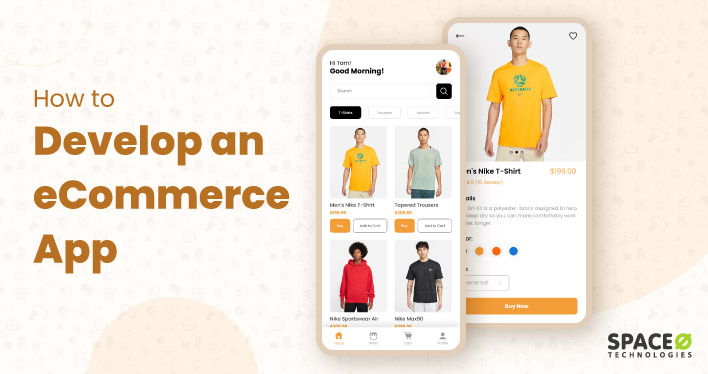
Entering the world of mobile commerce development offers unparalleled opportunities for growth and customer engagement. As the eCommerce landscape rapidly evolves, understanding how to craft a robust, user-friendly app is essential for staying competitive. Whether you’re launching your first platform or upgrading an existing one, this comprehensive guide walks you through the crucial steps to develop a high-performing eCommerce application that meets modern standards and consumer expectations.
Let’s explore the process from market research to deployment, including choosing the right development path, designing a seamless user experience, selecting features, and understanding the costs and timelines involved. With the right strategy, your app can capture a significant share of the booming online shopping market, projected to reach over $83 trillion globally by 2030.
—
eCommerce App Market Insights and Future Outlook
Staying informed about current trends and statistics is vital for crafting a competitive app. Recent data highlights the importance of mobile commerce, with 73% of consumers favoring shopping through dedicated mobile applications over mobile websites. The global eCommerce market is anticipated to grow at an impressive CAGR of nearly 19% from 2024 to 2030, emphasizing the critical need for a well-developed mobile presence. Additionally, customer support preferences are shifting towards live chat and instant messaging, making real-time communication features essential.
Understanding these market dynamics helps shape your development strategy, ensuring you incorporate features that resonate with users. For a detailed analysis of the global market and future predictions, consult resources like Grand View Research.
—
How to Develop an eCommerce App in 7 Strategic Steps
Building an effective eCommerce mobile platform can seem complex, but breaking down the process into manageable phases simplifies the journey. Even without extensive coding experience, following these steps can help you create a scalable and user-centric app.
1. Conduct Thorough Market and Audience Research
Start by defining your target market, distinguishing whether you’re focusing on B2B, B2C, or both. Recognize that B2C consumers typically seek personalized, quick shopping experiences, exemplified by brands like Amazon or Etsy, while B2B buyers prioritize efficiency and bulk purchasing solutions, such as Alibaba or Grainger.
Create detailed buyer personas that include demographics, interests, pain points, and purchasing preferences. For example, a fashion app targeting young adults aged 18-45 might focus on trendy clothing and beauty products, similar to Sephora’s audience. Conduct a SWOT analysis to evaluate your internal strengths and weaknesses, as well as external opportunities and threats, aligning your strategy with market realities.
If you’re interested in integrating functionalities like mobile game emulators or managing your digital library, resources like this guide can provide insights on optimizing app features.
2. Define and Prioritize Core Features
Identify features that will enhance user experience and drive conversions. Basic functionalities include product catalogs, shopping carts, secure payment gateways, order tracking, customer support, reviews, analytics, social media sharing, and multi-currency support. These establish the foundation for your app’s usability.
Advanced features such as personalized recommendations, augmented reality try-ons, AI chatbots, one-click checkout, voice search, and subscription models can differentiate your platform. For instance, AR features have proven to boost confidence in product choices, especially in fashion and home decor sectors.
Be cautious not to overload your app with excessive features, which can overwhelm users and complicate development. Focus on a balanced combination that aligns with your target audience’s needs and your business objectives.
3. Select Your Development Approach
Your options include partnering with a professional development firm or opting for a low-code platform. Hiring experienced developers ensures a customized, scalable, and secure app capable of integrating complex functionalities like payment processing and AI features. Companies like Space-O Technologies have extensive experience delivering tailored eCommerce solutions with ongoing support.
Alternatively, low-code builders such as Shopify or Appy Pie offer rapid deployment and lower costs but with limited customization and functionality depth. For small budgets or rapid prototyping, these platforms may suffice, but they often lack flexibility for future growth or advanced integrations.
4. Design an Intuitive UI/UX
A professional UI/UX design ensures your app is visually appealing and easy to navigate. When working with a development firm, designers create wireframes and mockups considering platform guidelines (iOS Human Interface Guidelines and Android Material Design). They focus on branding consistency, responsiveness, and accessibility.
If you opt for website builders, selecting an attractive theme and categorizing products effectively are essential. Remember, a well-designed interface directly impacts user engagement and conversion rates.
5. Develop Your Online Store
During development, your app’s frontend and backend are built using languages and frameworks suited to your chosen platform—such as Swift or Kotlin for native apps, or Flutter and React Native for cross-platform solutions. Integrate APIs for payment processing, order management, and analytics.
For example, integrating secure payment gateways like Stripe or PayPal ensures smooth transactions. A dedicated project manager facilitates communication, using tools like Slack or Asana to keep the project on track.
If you wish to explore advanced features like AI-powered search or inventory management, consider this case study demonstrating how innovative technology enhances user experience and operational efficiency.
6. Test Rigorously Before Launch
Testing is crucial to delivering a bug-free, reliable app. Conduct various tests including functional, performance, usability, security, compatibility, and regression testing. This process identifies issues that could hinder user experience or compromise data security.
For example, performance testing ensures your app handles high traffic without crashing, while security testing safeguards against vulnerabilities. When developing from scratch, perform a comprehensive preview to ensure all controls work seamlessly before release.
7. Deploy and Promote Your App
Once testing confirms readiness, host your app on reliable cloud services like AWS or Google Cloud to ensure scalability. Publish it on app stores such as Apple App Store and Google Play, adhering to their guidelines.
Post-launch, continuous monitoring and updates are vital. Use analytics tools to track user behavior and app performance, then refine features accordingly. Promote your app through social media campaigns, email marketing, and partnerships to maximize downloads and engagement.
—
Cost and Timeline Estimates for eCommerce App Development
Development costs vary based on complexity, features, and team location, typically ranging from $10,000 to over $500,000. Simpler apps with basic features may cost around $15,000–$40,000, while more complex platforms like Amazon demand $60,000–$120,000 or more.
Timeline estimates range from 2 to 12+ months:
| App Complexity | Development Duration |
|——————|———————-|
| Simple | 2-4 months |
| Medium | 4-8 months |
| Complex | 8-12+ months |
To optimize your investment, consider launching on one platform first, then expanding based on user feedback. For tailored cost and time estimates, consulting with experienced developers can provide clarity aligned with your specific needs.
—
Showcasing Our Successful eCommerce Projects
- Material.sa: A beverage and household essentials marketplace built with Kotlin, Swift, Laravel, and MySQL, boasting over 10,000 downloads.
- eComChat: An AI-driven search assistant utilizing OpenAI’s NLP for enhanced product discovery, boosting store speed by 23%.
- Parts Express: An industry-specific marketplace connecting buyers and sellers of waste management equipment using Laravel and AWS.
—
Monetizing Your eCommerce App Effectively
Choosing the right revenue streams is essential. Common models include:
- Commission-based: Charging a percentage per sale, suitable for marketplaces.
- Subscriptions: Recurring monthly or yearly fees offering exclusive benefits.
- Delivery Fees: Charging for delivery services, especially in on-demand sectors.
- Product Markup: Selling inventory directly with profit margins.
Combining multiple models, like commission plus subscriptions, often yields the best results. Focus on early monetization strategies that complement your core offerings.
—
Future Trends Shaping eCommerce App Development
Stay ahead by embracing emerging technologies:
- AI Personalization: Deliver tailored recommendations and dynamic pricing.
- AR Try-Ons: Enable virtual fitting rooms and product visualizations.
- Voice Commerce: Optimize for voice search and hands-free shopping.
- Omnichannel Integration: Synchronize inventory and customer data across channels.
- Sustainable Shopping: Highlight eco-friendly products and practices.
- Social Commerce: Leverage social media platforms for direct shopping experiences.
Aligning your development priorities with these trends can significantly enhance user engagement and retention.
—
Frequently Asked Questions
What are the main business models for eCommerce apps?
They include B2C, B2B, B2G, B2B2C, C2C, and C2B, each serving different transaction types and audiences.
Why should I develop an eCommerce application?
Benefits include increased reach, convenience, better customer insights, cost savings, higher sales potential, and improved customer experience.
How do I choose the right development partner?
Look for proven experience in your niche, strong client references, understanding of your monetization strategy, and support services.
What common pitfalls should I avoid?
Poor UX, high customer acquisition costs, operational inefficiencies, and neglecting marketing can hinder success. Partnering with experienced developers helps mitigate these risks.
Should I launch on iOS, Android, or both?
Start with the platform preferred by your target audience. Launching on both simultaneously increases costs but may be necessary for broader reach.
—
Partner with Us to Bring Your eCommerce Vision to Life
Developing a top-tier eCommerce app requires expertise and strategic planning. Our team is ready to assist you at every stage, from ideation to deployment. Contact us for a free consultation, project cost estimates, and a customized roadmap to transform your online business ambitions into reality.
Choose us to ensure your app not only launches successfully but thrives in the competitive digital marketplace. Reach out today and begin your journey toward eCommerce excellence.
—
Written by
Bhaval Patel
Bhaval Patel is the Director of Operations at Space-O Technologies, bringing over 20 years of experience in delivering innovative software solutions. Under his leadership, the company has earned multiple awards, including the GESIA annual recognition for excellence in mobile app development. He has helped validate over 300 app ideas and successfully delivered hundreds of custom projects utilizing technologies like Swift, Kotlin, React Native, Flutter, and more.