


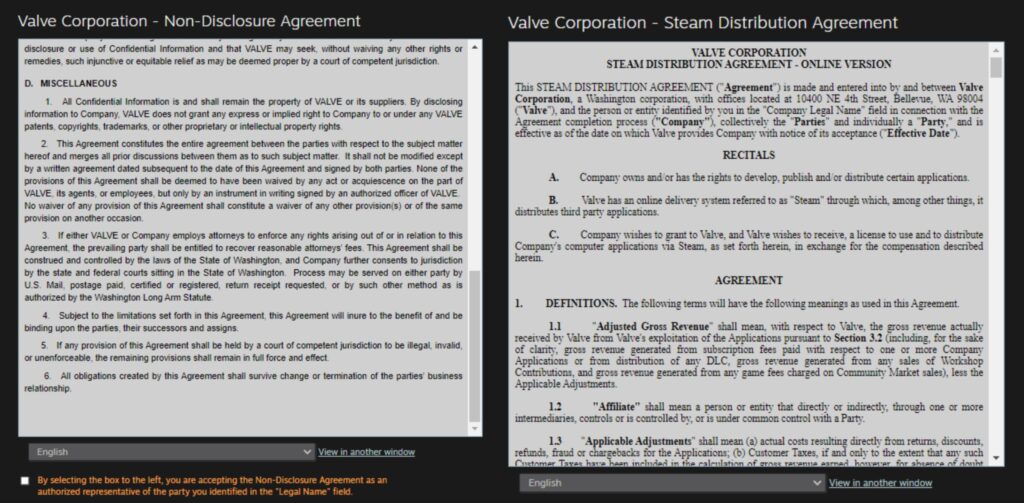
Entering the world of digital game distribution can be both exciting and challenging. With Steam being one of the largest platforms for video game sales, understanding how to successfully publish and monetize your game is essential for developers and enthusiasts alike. This guide explores the essential steps to get your game onto Steam, strategies to maximize your earnings, and tips for navigating the platform’s policies effectively.
When considering the best ways to bring your game to a broad audience, it’s crucial to understand Steam’s history and current market influence. Over the past 15 years, Steam has evolved from a platform for distributing Valve’s updates into a global marketplace hosting over 3,400 titles and boasting a user base exceeding 100 million. Its dominance in the digital distribution sector—controlling more than 75% of the online video game market—makes it an ideal venue for developers seeking exposure and revenue. Additionally, Steam’s expansion into hardware, like gaming consoles and controllers, underscores its significant role in the gaming industry.
How to Publish and Sell a Game on Steam
Before you can sell your game on Steam, you must be the official owner or creator of the title. The platform’s policies prohibit reselling games purchased from Valve or third-party vendors. Steam’s licensing model is akin to renting a property through a lump-sum payment: you acquire exclusive rights to use the game but cannot transfer ownership or sell it directly to others.
In the past, Steam allowed users to add purchased games to an inventory, which made reselling possible through third-party transactions or gifting. However, modern policies now require buyers to specify if a purchase is for personal use or as a gift. When buying for oneself, the game is automatically added to your library; when purchasing as a gift, Steam sends the game directly to the recipient’s library, removing the option for resale through the platform.
The Future of Reselling on Steam
Currently, reselling games on Steam remains prohibited. Nonetheless, legal debates are ongoing. A recent ruling by a French court challenged Steam’s policy, asserting that since the platform sells game licenses—not subscriptions—users should have the right to resell these licenses. Valve has appealed this decision, and as of now, no final verdict has been issued. This legal development could potentially change the resale landscape in the future.
Despite this, some users attempt to bypass restrictions through methods such as creating multiple accounts to resell individual games or selling entire accounts. These actions violate Steam’s terms of service and carry the risk of account suspension or permanent bans. Moreover, selling entire accounts can be problematic due to the difficulty of finding trustworthy buyers and the potential loss of access to your game library.
How to Market and Sell Your Game Successfully on Steam
To maximize your game’s success, early preparation is vital. Setting up your Steam store page well before release allows you to build anticipation and gather an audience. Creating a compelling trailer and a detailed developer profile can significantly boost visibility. Incorporating multiple languages, especially English and Chinese, broadens your potential market reach.
A key part of your marketing strategy should include engaging with your audience through social media and community forums. Participating in discussions and sharing behind-the-scenes content can generate buzz and foster loyalty. Additionally, Steam’s feature of a “Coming Soon” page at least two weeks prior to launch helps in creating momentum, as it encourages potential buyers to wishlist your game and stay updated on progress.
How to Monetize Your Game on Steam
Generating revenue from your game involves more than just publishing; it requires strategic planning. Launching a well-crafted Steam page early in development allows you to cultivate a community of interested players. A captivating trailer and a comprehensive developer profile help establish credibility and attract attention. Remember to support multiple languages, especially popular ones like English and Chinese, to reach a wider audience.
Pricing is critical—setting a competitive price based on similar titles can determine your game’s market performance. Starting with a slightly lower price can attract more players initially, allowing you to build a user base and increase revenues over time. Customizing your game with precise tags and unique features ensures it stands out amid thousands of titles and reaches your target audience effectively.
Tips for Indie Developers on Steam
For independent developers, Steam offers a platform not just for revenue but for growth and recognition. By pricing your game thoughtfully—generally below the average of comparable titles—you position yourself for better sales and visibility. Experiment with promoting your game through discounts, bundles, and early access to gather feedback and improve your product.
Additionally, exploring creative ways to enhance your game’s discoverability, such as participating in community events or leveraging SEO strategies within your store page, can make a significant difference. Remember that building a loyal player community can lead to sustained success and even inspire your next project.
Frequently Asked Questions
Can You Receive Free Funds on Steam?
Yes. There are various legitimate methods to earn free credits, such as participating in reward programs like Swagbucks or GrabPoints, which offer gift cards that can be exchanged for Steam Wallet codes. These platforms reward users for completing surveys or signing up for apps, providing a way to fund your gaming or development activities without direct costs.
Is a Business Entity Necessary to Sell Games on Steam?
Technically, you can sell independently without establishing a formal company, especially for low-risk projects. However, creating a business entity offers benefits such as limited liability protection, which shields your personal assets from potential legal or tax issues related to your sales activities.
Can You Resell Gifted Games on Steam?
No. Steam’s policies explicitly prohibit reselling game gifts. Attempting to do so can lead to penalties including account suspension or termination, as such actions violate the platform’s user agreement.
How Do You Remove a Game from Your Steam Library?
You can disown or remove a game by visiting the Steam Support page, selecting the game in question, and choosing the option to “Permanently Remove Game.” This process is straightforward but should be considered carefully, as it is irreversible.
What Are the Costs Involved in Selling a Game on Steam?
There is an initial nonrefundable fee of $100 to list your game on Steam. Once your game earns at least $1,000 in gross revenue, this fee can be reimbursed, making it an accessible option for indie developers and small studios.
Final Thoughts
For game developers eager to showcase their work to a global audience, Steam offers an unmatched platform for distribution and monetization. With proper planning, marketing, and understanding of the platform’s policies, you can turn your creative ideas into a successful commercial venture. Whether you’re just starting out or looking to expand your existing portfolio, mastering the process of publishing on Steam is a valuable step toward your success in the gaming industry.
Interested in optimizing your game development process? Explore strategies for expanding your office and staffing in game development simulations by visiting this resource. If you’re curious about uncovering hidden features, check out this guide. For those adding mods to their non-Steam versions, detailed instructions are available here. And to perfect your game ratings, learn how to excel with this comprehensive guide.