


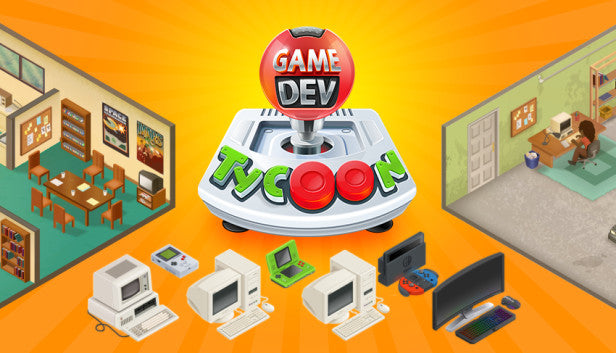
Creating a hit game is an exhilarating challenge that combines creativity, strategic planning, and a keen understanding of market trends. Game Dev Tycoon offers players a chance to simulate this journey, turning a modest startup into a thriving industry powerhouse. To excel in this game and maximize your studio’s potential, you need more than just luck—you require a comprehensive approach that covers every aspect from core mechanics to post-release management. This guide provides detailed strategies, best practices, and underrated tactics to help you dominate the charts in 2025.
—
Understanding Core Mechanics
The foundation of Game Dev Tycoon revolves around making well-informed decisions at every development stage. Your success hinges on how effectively you manage key components such as:
- Topic and genre synergy: Pairing the right themes with genres that complement them.
- Platform matching: Choosing platforms that suit your game’s style and target audience.
- Audience targeting: Focusing your efforts on the most receptive player segments.
- Development priorities: Allocating resources wisely across different development phases.
Each element directly influences your review scores, sales, and long-term reputation. Mastering these mechanics ensures you build a solid foundation for blockbuster releases and a loyal fan base.
—
Best Topic & Genre Combinations (2025)
Certain genre and topic pairings consistently outperform others, thanks to their broad appeal and synergy. These combinations have been tested over time and continue to generate high review scores:
| Topic | Genre | Target Audience | Why It Works |
|—————-|————–|—————–|———————————————————–|
| Fantasy | RPG | Mature | Rich storytelling leads to top ratings |
| Sci-Fi | Action | Everyone | High broad appeal and replayability |
| Sports | Simulation | Everyone | Low development costs, easy market fit |
| Racing | Casual | Young | Fast-paced, high-volume sales |
| Horror | Adventure | Mature | Niche but memorable experiences |
Always keep your audience in mind—what appeals to young players on portable consoles may not work as well on PC.
—
Platform vs. Genre Cheat Sheet
Matching genres with suitable platforms can significantly impact your sales volume. Here’s an overview of effective combinations:
- PC: Simulation, Strategy
- mBox / mBox Next: Action, Shooter
- PlaySystem: RPG, Adventure
- G64 (Game Boy): Casual, Puzzle
- G64 (early game): Simulation, Adventure
Cost considerations are important early on; platforms like PC and G64 are cost-effective choices for starting developers. For more advanced development, consider expanding into niche platforms or developing your own hardware.
—
Development Stage Priorities
Every game progresses through three key stages. Your focus should shift according to the genre and overall development plan:
Stage 1:
- Simulation: Focus on refining the game engine
- Action: Prioritize gameplay mechanics
- RPG: Emphasize story and quests
Stage 2:
- RPG: Develop dialogues and character interactions
- Strategy: Improve AI complexity
- Action: Enhance level design
Stage 3:
- Adventure: Concentrate on world-building
- Casual: Optimize sound and visuals
- RPG: Invest in high-quality graphics
Avoid overworking your staff; overextension hampers quality and delays releases.
—
Staff Hiring and Training
Having talented staff is vital, but developing their skills is equally important. Focus on targeted training:
- Design roles: Prioritize creativity and rapid development
- Programming roles: Strengthen coding and algorithm knowledge
- Post-release training: Keep staff updated to maintain development momentum
Balance your team to prevent burnout and ensure steady progress, especially in the late game where versatility becomes crucial.
—
Research, Marketing & Engine Upgrades
- Research new topics early: Prevent genre fatigue and diversify your portfolio.
- Upgrade your game engine: Unlock advanced features that give your titles a competitive edge; see more on development of mobile games for ar augmented reality.
- Marketing campaigns: Begin early to generate buzz; small campaigns for initial releases followed by larger ones for major titles.
Effective marketing, combined with engine upgrades, can greatly enhance your game’s visibility and sales.
—
Office Expansions & Specialization
As your studio expands, unlocking new office spaces allows for:
- Hiring more specialists
- Developing R&D and hardware labs
- Assigning staff to roles like Tech Lead or Creative Director
Use R&D labs to research features like MMO support or advanced AI, and hardware labs to create your own consoles—an investment that can pay off by increasing revenue per unit and bypassing licensing costs. For a detailed look into hardware development, visit the development of multiplayer games using unity.
—
Console Development: Is It Worth It?
Building your own gaming console is a costly endeavor, but it can be highly profitable if timed correctly. To maximize success:
- Launch after establishing a solid fanbase
- Offer exclusive, high-quality titles
- Price competitively to attract early adopters
Once your console gains traction, it can generate consistent revenue and allow you to control the entire ecosystem—bypassing third-party licensing fees.
—
Game Sequels & Expansion Packs
Mid to late game, sequels and expansion packs become essential for maintaining momentum:
- Only produce sequels for games with 500K+ units sold
- Wait at least two years before releasing a sequel to maximize impact
- Incorporate new features and graphics improvements using your engine upgrades
Expansion packs are excellent for MMOs, providing ongoing revenue streams and keeping players engaged without the need for entirely new development cycles. For more on this, see the development of mobile games for ar augmented reality.
—
Post-Release Support & Fan Engagement
Maintaining a loyal fan base requires ongoing effort:
- Release patches for bug fixes
- Host gaming conventions and fan events to build hype
- Conduct interviews and create community content
Neglecting post-release support can lead to declining interest and a drop in sales, making fan management crucial for long-term success.
—
Key Strategies for Success
- Save skill points: Avoid spreading your staff too thin early on.
- Leverage game reports: Analyze past successes and failures to refine your approach.
- Diversify genres: Repeating the same themes leads to review penalties.
- Balance innovation with proven formulas: Combine new topics with familiar genres.
- Use publisher contracts: Early in your career, they help grow your fan base.
- Upgrade your office equipment: Better hardware accelerates development speed.
- Prevent burnout: Schedule vacations and avoid excessive crunch periods.
—
FAQ
What are the most effective genre and topic combinations in Game Dev Tycoon?
Fantasy + RPG, Sci-Fi + Action, and Sports + Simulation continue to deliver broad appeal and excellent synergy, ensuring high review scores and sales.
How should I select the right platform for my game?
Align your platform choice with your game’s genre. For example, simulation titles perform well on PC, while action games flourish on mBox systems. Cost and market share also influence this decision.
What happens if I create the same game twice?
Releasing identical or very similar games can lead to review penalties, diminishing returns, and reduced sales over time—even with engine improvements.
How do I achieve perfect 10 scores?
Focus on combining strong genre-topic combos, optimizing your development cycle, and ensuring high-quality graphics. Proper hype management and choosing the right platform also contribute significantly.
Is marketing worth investing in early in the game?
Absolutely. Starting with small campaigns helps build initial hype, which can be scaled up as your fan base grows to maximize launch impact.
When should I develop my own engine?
Begin engine development once you accumulate around 100 research points and have at least $100K in funds. Upgrading to tools like 2D V2 or adding gameplay features boosts your game’s quality.
Can I fail in Game Dev Tycoon?
Yes. Poor management of team workload, neglecting fan engagement, or overextending your finances can lead to bankruptcy. Saving your progress regularly is essential.
Should I accept publisher deals early on?
Yes. Early contracts help rapidly expand your fan base and stabilize income. Later, self-publishing offers higher profit margins and more creative control.
How do I generate hype effectively?
Announce titles early, attend industry conventions, and time your marketing campaigns strategically. Building anticipation before release dramatically boosts initial sales.
Besides unlocking new topics, what else do research points enable?
They unlock advanced engine features, new game types, and options for developing business expansions like MMOs or hardware—further enhancing your studio’s capabilities.
—
Final Thoughts
Success in Game Dev Tycoon hinges on your ability to read trends, adapt strategies, and make smart decisions. Trust your instincts, learn from each project, and don’t shy away from experimenting with new ideas. Remember, the most reliable genre combo that often delivers consistent results is a well-executed fantasy RPG—yet variety and innovation keep the industry exciting. Keep refining your approach, and the hits will keep coming.
For more insights into immersive game creation, explore the development of mobile games for ar augmented reality.