How to Add Start Menu Items to a Steam Game After Installation
Adding start menu entries for your Steam games after they’ve been installed can improve your workflow and quick access. While Steam typically prompts you to create desktop shortcuts and start menu items at the end of installation, many users prefer to manage these shortcuts manually or organize their game library more efficiently. This guide explains the step-by-step process to add start menu entries for your Steam titles even after the initial setup, ensuring seamless access without cluttering your desktop.
Once you’ve installed a game through Steam, you might notice that creating shortcuts is straightforward, but organizing them within the Windows start menu requires a few manual steps. This approach is especially useful if you prefer using the Windows key to search for your games instead of navigating through Steam or desktop icons. Learning how to properly add and organize these shortcuts can save time and streamline your gaming experience.
How to Create and Add Start Menu Items for Steam Games Post-Installation
The simplest method to add a game to your start menu is by creating a shortcut directly from your Steam library. To do this:
- Open your Steam client and navigate to your library.
- Right-click on the game you want to add to your start menu.
- Select “Create Desktop Shortcut” from the context menu. This will generate a shortcut on your desktop.
Once the desktop shortcut is created, you can manually add it to the start menu:
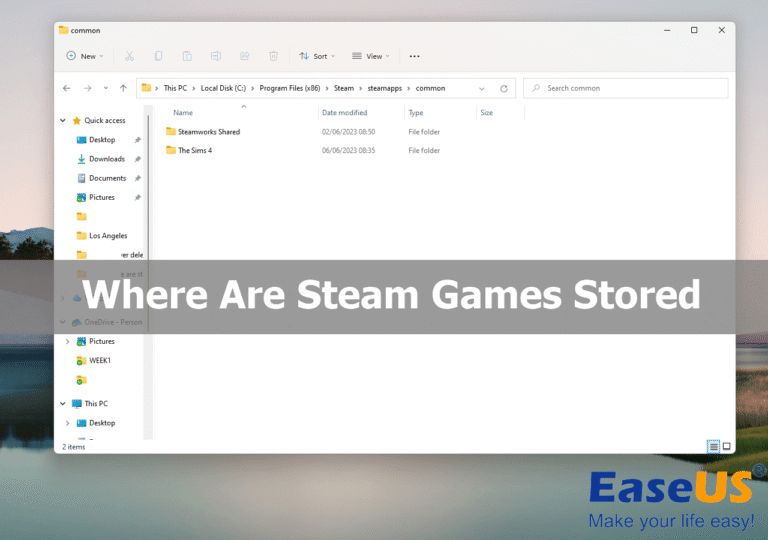
- Drag the shortcut from your desktop into the Start Menu folder, which can be accessed by typing `%APPDATA%` into the Run dialog (Win + R) and pressing Enter. This will take you to:
“`
C:Users[Your Username]AppDataRoamingMicrosoftWindowsStart MenuPrograms
“`
- Drop the shortcut into this folder, and it will appear in your Start Menu. You can organize shortcuts into folders here to keep your menu tidy.
Alternatively, for more control:
- Open the Start Menu folder directly in Windows Explorer.
- Create new shortcuts here by right-clicking > New > Shortcut.
- Set the path to the game’s executable or use Steam’s protocol, such as:
“`plaintext
steam://rungameid/[GameID]
“`
where `[GameID]` is the specific ID for your game. To find a game’s app ID, visit its store page and check the URL, for example, `https://store.steampowered.com/app/211720/` (the number is the ID).
Using Steam Protocols and Custom Shortcuts
Steam provides URL protocols that can launch games directly without relying on the Steam client interface. You can create shortcuts with commands like:
“`plaintext
steam://rungameid/[GameID]
“`
which can be pinned directly to the start menu or taskbar for quick access. To find your game’s ID:
- Visit the game’s page in the Steam store.
- Extract the number from the URL path.
For advanced users, creating shortcuts with specific launch parameters, such as appending `-applaunch [gameId]` to the Steam.exe path, can be useful. For example:
“`plaintext
E:GamesSteamSteam.exe -applaunch 123456
“`
Ensure you replace `123456` with the actual game ID, which can be found by viewing the game properties or store URL.
Organizing Your Start Menu for Better Access
For a more structured start menu, consider editing the folder located at:
“`
C:ProgramDataMicrosoftWindowsStart MenuPrograms
“`
Dragging your game shortcuts into this directory makes them available for all users and keeps your personal start menu uncluttered. You can create subfolders here to categorize your games or applications, making it easier to find what you need with just a few keystrokes.
Important Considerations
Remember that Steam shortcuts are protocol-based—meaning they link directly to Steam’s URL scheme rather than executable files. Moving or uninstalling Steam might affect these shortcuts, so manage them carefully. If you uninstall Steam, shortcuts relying on Steam’s protocol will no longer work, and you’ll need to recreate them with direct paths to game executables or use alternative methods.
Additional Tips for Windows 10 Users
- To create a shortcut manually, right-click in the start menu folder, choose “New” > “Shortcut,” and specify the path to the game’s executable or use the Steam URL protocol.
- Change the icon of your shortcuts by right-clicking > Properties > Change Icon, and selecting an icon from the game folder.
By following these steps, you can efficiently add, organize, and access your Steam games directly from the Windows start menu, streamlining your gaming experience and reducing reliance on desktop clutter. For further insights into game development careers or the broader industry, you might explore resources such as learning about game development, or for discussions on the industry’s evolution, see rethinking the value of large-scale game development. For strategies on achieving success and recognition in the gaming world, consider mastering game dev storytelling techniques.