Hardware Manufacturing: How to Make a Console in Game Dev Story
Creating a gaming console within the context of game development, particularly inspired by the mechanics of “Game Dev Story,” offers an intriguing insight into hardware manufacturing and strategic planning. While “
Understanding the Core Concept of Console Manufacturing in Game Dev Story
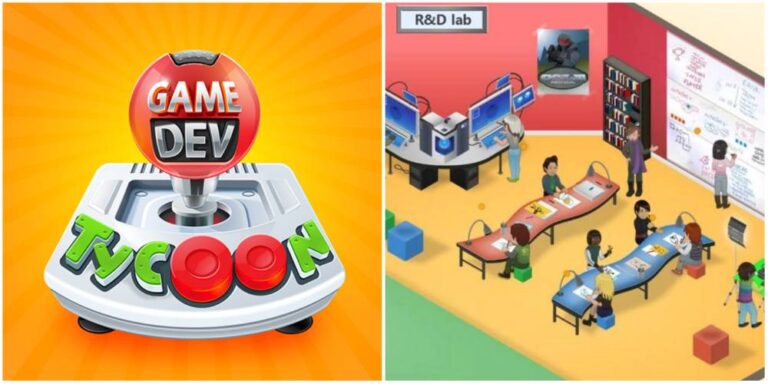
In “Game Dev Story,” players manage a game development company, focusing on creating successful titles and expanding their business. An interesting aspect is the ability to develop hardware, specifically a console, which acts as a platform for your games. This feature simulates real-world hardware manufacturing processes, albeit simplified, and introduces players to essential concepts like product design, resource management, and market positioning.
When you decide to manufacture a console, the game typically requires you to invest in research and development, allocate resources efficiently, and strategize your marketing efforts. Your ultimate goal is to create a competitive product that appeals to gamers, boosts your company’s reputation, and maximizes profits. The process, although simplified, mirrors real-world steps involved in hardware production, making it an educational and engaging experience.
Step-by-Step Guide to Making a Console in Game Dev Story
1. Research and Development (R&D)
- Initiate R&D: The first step involves investing in research to unlock the console manufacturing feature. This often requires accumulating sufficient funds and resources.
- Gather knowledge: Developing a console necessitates understanding hardware components, compatibility, and user interface design.
- Upgrade technology: As you progress, upgrading your company’s research capabilities enhances your chances of creating a successful console.
2. Planning the Hardware Specifications
| Component | Description | Impact on Console |
|---|---|---|
| CPU | Central processing unit determines processing power. | Higher specs attract more developers and gamers. |
| GPU | Graphics processing unit affects visual quality. | Better graphics boost game sales and user satisfaction. |
| Memory | RAM impacts multitasking and game performance. | More memory supports complex games and smoother gameplay. |
| Storage | Internal storage capacity for games and apps. | Increased storage improves user experience. |
| Input/Output | Connectivity options like HDMI, USB, Bluetooth. | Ensures compatibility and ease of use. |
3. Manufacturing Process
Once specifications are finalized, the game simulates hardware manufacturing, involving resource allocation and production line setup. You need to manage:
- Component sourcing: Ensuring quality and timely delivery of parts.
- Assembly line management: Coordinating engineers and assembly workers.
- Quality control: Testing prototypes to ensure durability and performance.
4. Marketing and Distribution
After manufacturing, marketing your console is crucial. Effective strategies include:
- Advertising campaigns: Promoting features and exclusive titles.
- Partnerships: Collaborating with game developers to bundle games with the console.
- Distribution channels: Ensuring availability across retail and online platforms.
Real-World Insights into Hardware Manufacturing
While “Game Dev Story” simplifies the process, real-world hardware manufacturing involves complex and costly steps:
- Design and Prototyping: Engineers create detailed schematics and prototypes, often taking years and millions of dollars.
- Component Sourcing: Securing high-quality parts from suppliers involves negotiations, quality checks, and logistics management.
- Manufacturing and Assembly: Large factories utilize automation and robotics for mass production, with strict quality assurance protocols.
- Testing and Certification: Ensuring compliance with international standards (e.g., FCC, CE) and safety regulations.
- Market Launch: Comprehensive marketing campaigns precede the product release, predicting consumer demand and adjusting production accordingly.
Key Challenges in Hardware Manufacturing
| Challenge | Description | Impact |
|---|---|---|
| High Development Costs | Designing and testing hardware is capital-intensive. | Risk of financial loss if the product fails to meet expectations. |
| Supply Chain Disruptions | Global issues like shortages or political instability affect component availability. | Delays in production and increased costs. |
| Technological Obsolescence | Fast-changing tech can render hardware outdated quickly. | Need for continuous innovation and updates. |
| Regulatory Compliance | Meeting safety, environmental, and data security standards. | Additional costs and time for certification. |
Emerging Trends in Console Hardware
As of 2025, the gaming industry continues to evolve, with notable trends impacting hardware manufacturing:
- Cloud Gaming Integration: Consoles increasingly connect with cloud services, reducing hardware requirements.
- AI and Machine Learning: Enhancing gaming experiences and hardware efficiency.
- Modular Design: Allowing consumers to upgrade specific components, extending product lifespan.
- Sustainable Manufacturing: Emphasizing eco-friendly materials and energy efficiency.
Optimizing Console Development for Success
To succeed in creating a competitive console, consider these strategic tips:
- Focus on Unique Selling Points: Features like enhanced graphics, exclusive games, or innovative controllers.
- Align Hardware with Market Needs: Understand consumer preferences, such as portability or VR capabilities.
- Invest in R&D: Continuous innovation ensures your console stays ahead of competitors.
- Manage Resources Effectively: Balance investment between hardware, software, and marketing.
- Leverage Partnerships: Collaborate with game developers and accessory manufacturers.
Further Resources and Reading
For a deeper understanding of building profitable ecosystems in mobile and console game development, explore this resource: Engineering Profitable Ecosystems for iOS and Android. It provides valuable insights into optimizing development pipelines, monetization strategies, and ecosystem management, which are crucial when launching hardware platforms that serve as gaming ecosystems.
Summary of Key Components in Console Manufacturing
| Component/Aspect | Role | Considerations |
|---|---|---|
| Hardware Design | Blueprinting the physical and functional aspects of the console. | Balancing performance, cost, and user experience. |
| Component Selection | Choosing CPUs, GPUs, memory, storage, etc. | Ensuring compatibility and future-proofing. |
| Manufacturing & Assembly | Mass-producing the hardware efficiently. | Quality control and supply chain logistics are vital. |
| Software & Firmware | Operating system and system-level software. | Security, stability, and user interface design. |
| Marketing & Distribution | Launching and promoting the product. | Targeted campaigns and distribution channels are key. |
In conclusion, creating a console in a simulation like “Game Dev Story” encapsulates many real-world elements of hardware manufacturing—from initial research and design to production and marketing. While simplified, this process offers valuable lessons on resource management, strategic planning, and innovation, all crucial for success in the highly competitive gaming hardware industry.