Developing multiplayer games using HTML5
In recent years, the landscape of game development has shifted dramatically with the advent of HTML5, making it a popular choice for creating multiplayer games accessible across multiple platforms. As of 2025, HTML5 continues to evolve, offering developers robust tools such as the Canvas API, WebGL, WebRTC, and WebSockets to build immersive, real-time multiplayer experiences that can run seamlessly in web browsers without requiring additional plugins or downloads. This article delves into the essential aspects of developing multiplayer games using HTML5, exploring the core technologies, architectural patterns, popular frameworks, best practices, and real-world examples that highlight the potential of HTML5 in multiplayer game development.
Why Choose HTML5 for Multiplayer Game Development?
| Advantages | Details |
|---|---|
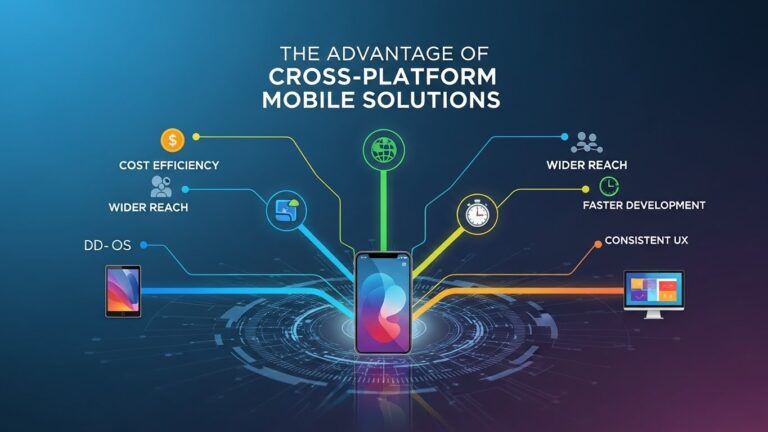
| Platform Independence | HTML5 games run natively in browsers across desktops, tablets, and smartphones, eliminating compatibility issues and broadening audience reach. |
| No Installation Required | Players can access multiplayer games instantly via URLs, reducing barriers to entry and increasing engagement. |
| Cost-Effective Development | Developers can leverage open web standards, reducing costs associated with platform-specific development tools and app store fees. |
| Real-Time Communication | WebRTC and WebSockets enable low-latency, real-time multiplayer interactions, critical for competitive and cooperative gameplay. |
| Rich Graphics and Audio | HTML5 APIs like Canvas and WebGL facilitate high-quality visuals and sound, essential for engaging multiplayer environments. |
Core Technologies for HTML5 Multiplayer Games
1. Canvas API and WebGL
The Canvas API provides 2D rendering contexts for drawing graphics dynamically, essential for 2D multiplayer games. For 3D graphics, WebGL offers hardware-accelerated 3D rendering capabilities, enabling complex, immersive environments. As of 2025, WebGL 2.0 is widely supported and allows for advanced shader programming and rendering techniques, crucial for modern multiplayer games with high visual fidelity.
2. WebRTC
WebRTC (Web Real-Time Communication) enables peer-to-peer data sharing, voice, and video communication directly between browsers without intermediary servers. This technology is ideal for latency-sensitive multiplayer interactions, such as in real-time strategy or fighting games, where minimizing delay is critical.
3. WebSockets
WebSockets facilitate persistent, full-duplex communication channels between client and server. They are fundamental for multiplayer game servers to synchronize game states, handle user inputs, and broadcast updates efficiently. Popular libraries like Socket.IO (https://socket.io/) simplify WebSocket implementation, providing fallbacks and additional features.
4. Service Workers and IndexedDB
For offline capabilities, caching, and persistent data storage, Service Workers and IndexedDB are valuable. They support seamless gameplay experiences and data management in multiplayer games that require persistent states or offline modes.
Architectural Patterns in Multiplayer HTML5 Games
Client-Server Model
This traditional architecture involves a central server managing game logic and state synchronization. Clients send user inputs to the server, which processes and broadcasts updates back. It ensures authoritative control, preventing cheating, and maintaining consistency across players. For example, games like Slither.io employ this model.
Peer-to-Peer (P2P) Model
P2P architecture allows direct communication between players, reducing server load and latency. WebRTC is commonly used here. However, it poses challenges in security, NAT traversal, and game state management. Many multiplayer games combine P2P for movement or voice chat with server-side validation for core game logic.
Hybrid Models
Combining server authoritative control with P2P connections provides a balance between performance and security. For instance, a game might use WebRTC for real-time movement updates and a server for game state validation.
Popular Frameworks and Libraries for Developing Multiplayer HTML5 Games
- Phaser: A fast, open-source HTML5 game framework supporting Canvas and WebGL, suitable for 2D multiplayer games. It integrates well with WebSockets for multiplayer functionality. (https://phaser.io/)
- Colyseus: An open-source multiplayer game server framework built on Node.js. It simplifies real-time multiplayer game server development with room-based architecture and state synchronization. (https://colyseus.io/)
- PlayCanvas: A WebGL-based 3D game engine that enables multiplayer experiences with its networking capabilities. (https://playcanvas.com/)
- Babylon.js: A powerful WebGL framework for 3D games, with support for multiplayer features through custom networking layers. (https://www.babylonjs.com/)
Implementing Multiplayer Functionality: Step-by-Step Overview
1. Designing the Game Architecture
Start by defining core mechanics, game state, user interactions, and multiplayer synchronization needs. Decide whether to use a client-server or P2P model based on game type, scale, and latency requirements.
2. Setting Up the Server
For server-side development, Node.js is a popular choice due to its event-driven, non-blocking architecture. Using frameworks like Colyseus or Socket.IO can accelerate development. Ensure the server maintains authoritative control over critical game logic to prevent cheating.
3. Developing the Client
Use HTML5 Canvas or WebGL for rendering, coupled with JavaScript for game logic. Integrate WebSocket or WebRTC APIs for network communication. Libraries like Phaser or Babylon.js can streamline rendering and input handling.
4. Handling Real-Time Synchronization
Implement mechanisms for state updates, delta compression, and interpolation to ensure smooth gameplay. For example, clients can predict movement locally and correct positions based on server updates to reduce perceived lag.
5. Testing and Optimization
Test the game across various network conditions and devices. Use tools like Wireshark for network analysis and browser developer tools for performance profiling. Optimize data packets, reduce bandwidth, and implement lag compensation techniques.
Challenges and Solutions in Multiplayer HTML5 Games
| Challenge | Solution |
|---|---|
| Latency and Lag | Implement client-side prediction, server reconciliation, and interpolation techniques. |
| Security and Cheating | Maintain server authority over game logic; validate client inputs; use encryption. |
| Scalability | Use scalable cloud infrastructure (AWS, Azure) and optimize server code for concurrent connections. |
| Cross-Browser Compatibility | Test extensively across browsers; adhere to web standards; use polyfills where necessary. |
Statistics and Market Trends in HTML5 Multiplayer Gaming (2025)
The global online gaming market is projected to reach over $300 billion in 2025, with browser-based multiplayer games accounting for approximately 25% of this revenue. Notable titles like Agar.io and Slither.io exemplify the success and scalability of HTML5 multiplayer games.
Moreover, surveys indicate that over 70% of casual gamers prefer browser-based multiplayer games due to ease of access and social interaction. The rise of cloud gaming and real-time web technologies continues to fuel innovation in this space, making HTML5 a strategic platform for indie developers and large studios alike.
Resources and Further Reading
- MDN WebGL Documentation
- MDN WebRTC Guide
- Socket.IO Official Site
- Colyseus Multiplayer Server Framework
- Phaser Game Framework
- PlayCanvas Engine
As of 2025, HTML5 remains at the forefront of multiplayer game development, offering unparalleled accessibility, flexibility, and performance. With continuous advancements in web technologies and increasing broadband penetration worldwide, the future of multiplayer HTML5 gaming is promising, fostering innovative gameplay experiences accessible to anyone with a browser.