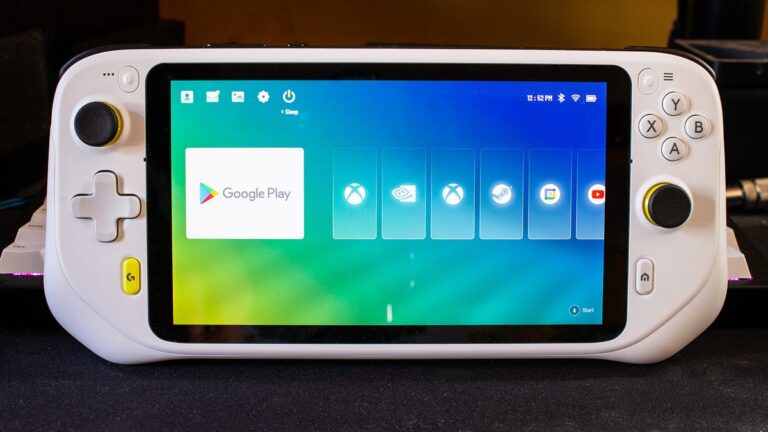
Company specializing in the development of multiplayer games
In the rapidly evolving landscape of digital entertainment, multiplayer game development has become a cornerstone of the gaming industry. As of 2025, companies specializing in creating immersive, scalable, and engaging multiplayer experiences are not only shaping the future of gaming but are also driving significant economic growth. These companies leverage cutting-edge technologies such as cloud computing, artificial intelligence, and real-time networking to deliver seamless multiplayer interactions across various platforms, including PC, consoles, and mobile devices. This comprehensive overview explores the top players in the industry, their strategies, technological innovations, and the market trends that are defining the future of multiplayer game development.
Understanding Multiplayer Game Development
Multiplayer games enable multiple players to interact within a shared virtual environment. These interactions can range from cooperative gameplay to competitive matches, often requiring robust backend infrastructure to handle real-time data exchange, latency management, and player matchmaking. The industry is categorized into various genres such as first-person shooters (FPS), massively multiplayer online games (MMORPGs), battle royales, and sports simulations.
Key Technologies in Multiplayer Game Development
| Technology | Role | Current Trends in 2025 |
|---|---|---|
| Cloud Computing | Hosting game servers, scaling infrastructure | Edge computing reduces latency, improves player experience |
| Artificial Intelligence | Enhancing NPC behavior, matchmaking systems | Advanced AI-driven personalization and adaptive difficulty |
| Real-Time Networking | Synchronizing game states across players | 5G networks enable near-instantaneous connections |
| Game Engines | Core development platform | Unreal Engine and Unity continue to dominate with enhanced multiplayer support |
| Blockchain | In-game assets, player ownership | Secure, transparent transactions and collectibles |
Top Companies in Multiplayer Game Development as of 2025
The industry is led by several major players, each with unique strengths and strategic focuses. Here is a detailed look at the top 10 companies:
1. Tencent Games
- Overview: A Chinese multinational, Tencent is the largest gaming company globally, owning stakes in various other developers.
- Popular Titles: Honor of Kings, PUBG Mobile, League of Legends (via Riot Games)
- Key Strengths: Extensive user base, advanced monetization strategies, and robust multiplayer infrastructure.
2. Epic Games
- Overview: Known for Unreal Engine and Fortnite, Epic is a leader in multiplayer game development tools and experiences.
- Popular Titles: Fortnite, Unreal Tournament
- Key Strengths: Cutting-edge engine technology, innovative live events, cross-platform multiplayer support.
3. Riot Games
- Overview: Specializes in competitive online multiplayer games with a focus on eSports.
- Popular Titles: League of Legends, Valorant
- Key Strengths: Strong community engagement, high-quality matchmaking systems, and global tournaments.
4. Blizzard Entertainment
- Overview: A pioneer in multiplayer gaming with a legacy of popular titles.
- Popular Titles: World of Warcraft, Overwatch, Hearthstone
- Key Strengths: Established franchises, sophisticated PvP systems, and active player communities.
5. Ubisoft
- Overview: French developer known for open-world multiplayer experiences.
- Popular Titles: Rainbow Six Siege, The Division series
- Key Strengths: Tactical multiplayer gameplay, innovative multiplayer modes.
6. NetEase
- Overview: Major Chinese developer and publisher focusing on mobile and PC multiplayer games.
- Popular Titles: Knives Out, Identity V
- Key Strengths: Localization expertise, strong mobile multiplayer offerings.
7. Sony Interactive Entertainment
- Overview: Major console player with a focus on exclusive multiplayer titles.
- Popular Titles: Destiny 2 (via Bungie), Ratchet & Clank multiplayer modes
- Key Strengths: Console ecosystem integration, exclusive multiplayer experiences.
8. Electronic Arts (EA)
- Overview: Focused on sports and action multiplayer titles.
- Popular Titles: FIFA series, Apex Legends, Battlefield
- Key Strengths: Live service models, extensive eSports integration.
9. Valve Corporation
- Overview: Known for Steam platform and multiplayer hit Counter-Strike.
- Popular Titles: Counter-Strike: Global Offensive, Dota 2
- Key Strengths: Community-driven content, robust matchmaking, and server infrastructure.
10. Zynga
- Overview: Specializes in mobile social multiplayer games.
- Popular Titles: Words With Friends, FarmVille
- Key Strengths: Social integration, casual multiplayer gameplay.
Emerging Trends in Multiplayer Game Development
As of 2025, several key trends are shaping the industry:
1. Cross-Platform Play
More developers are enabling players on PC, console, and mobile to compete or cooperate seamlessly, breaking down platform barriers. Titles like Fortnite and Call of Duty exemplify this trend.
2. Cloud Gaming and Streaming
With services like Xbox Cloud Gaming and NVIDIA GeForce NOW, players can access high-quality multiplayer experiences without high-end hardware, expanding accessibility.
3. Integration of AI and Machine Learning
AI is used for dynamic matchmaking, cheat detection, and creating intelligent NPCs that adapt to player behavior, enriching multiplayer interactions.
4. Esports and Live Events
Massive online tournaments continue to grow, with prize pools reaching hundreds of millions of dollars. Companies are investing heavily in hosting virtual events, which boost game visibility and revenue.
5. Blockchain and NFTs
In-game ownership of assets, verified through blockchain, offers players tangible value and enhances monetization strategies.
Market Data and Industry Statistics
- Global multiplayer gaming revenue surpassed $50 billion in 2024, accounting for approximately 45% of total gaming revenue, according to Newzoo.
- The number of active multiplayer gamers worldwide reached 2.7 billion in 2025, driven by mobile gaming proliferation.
- Mobile multiplayer games constitute about 60% of the market share, reflecting the shift towards casual and social gaming experiences.
- eSports viewership is projected to hit 700 million globally by 2025, fostering a more competitive multiplayer environment.
Conclusion
Leading companies in multiplayer game development are harnessing innovative technologies and market insights to create engaging, scalable, and inclusive gaming experiences. As the industry continues to evolve, staying ahead requires focusing on cross-platform compatibility, leveraging cloud and AI advancements, and fostering vibrant player communities. For developers and publishers aiming to succeed in this competitive landscape, understanding these trends and the strategic approaches of top industry players is essential. For more insights into the latest industry developments, resources such as Newzoo or TechCrunch Gaming provide valuable data and analysis.