Addressing Post-Release Bugs in Game Development
Encountering bugs after a game’s launch can be frustrating, especially when the initial release was polished and well-received. Post-release issues can tarnish player trust and satisfaction, making it crucial for developers to have effective strategies for fixing these problems promptly. This guide explores how to manage and resolve bugs that become apparent only after your game has gone live, ensuring your player base remains engaged and confident in your ongoing support.
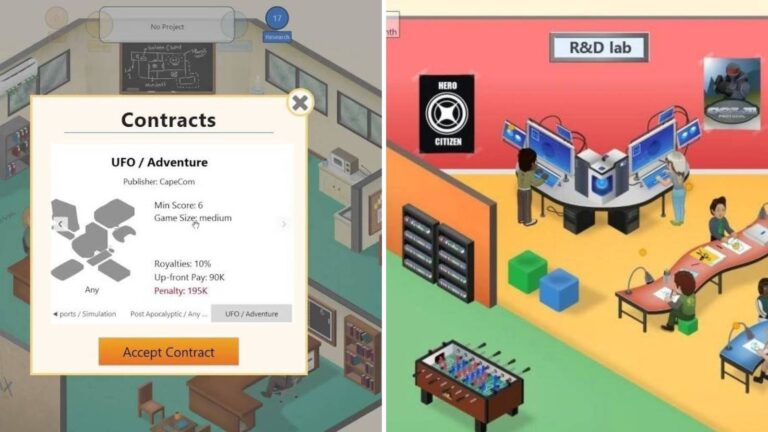
Exploiting in-game patching options is a common approach in game development, especially when the game engine or platform supports post-launch updates. In many cases, you can release a patch to fix bugs, which is often accessible through specific in-game menus or developer tools. For example, in some game management simulations, you might right-click on characters or game elements to find an option like Release a Patch with a price indicated in parentheses, allowing you to address issues without requiring a full re-release. This method helps maintain goodwill by swiftly resolving problems that players report after launch.
However, it’s not always straightforward to find or implement these patch options. Sometimes, the feature may not be visible or available if your team members are occupied or if there was a glitch during the patch process. If you cannot locate the patching option, verify whether your team members are actively working on fixing the bugs or if the patching feature is temporarily unavailable due to in-game conditions. In some cases, patches become inaccessible if too much time elapses post-release; players may experience a gradual decline in fans if bugs remain unaddressed over time. Regularly monitoring the status of your patches and acting quickly can prevent long-term player dissatisfaction.
In addition to patching, consider the broader development process. The development of augmented reality gaming applications has introduced new complexities in ensuring post-launch stability. If your game involves AR elements, continuously updating and fixing bugs becomes even more critical, requiring specialized tools and expertise. Collaborating with a company specializing in the development of multiplayer games can help ensure your game’s multiplayer aspects are robust and easily updatable. Similarly, employing comprehensive ar game creation services can streamline the process of releasing updates and patches for AR components, minimizing downtime and player frustration.
When bugs are related to specific gameplay mechanics or puzzles, the development of puzzle games principles can provide valuable insights. Carefully analyzing player feedback and bug reports allows you to prioritize fixes effectively. Implementing patches swiftly and transparently demonstrates your commitment to quality, which is vital for maintaining trust. Remember, addressing post-release bugs isn’t solely about fixing errors; it also involves communicating clearly with your community about what has been improved, fostering a positive relationship that can withstand occasional setbacks.
In summary, managing bugs that surface after a game’s launch involves a combination of quick patch deployment, effective team coordination, and leveraging specialized development resources. Staying proactive and responsive ensures your game continues to provide a satisfying experience, even after its initial release. For further insights into enhancing your game development workflow, exploring tools and services tailored for AR, multiplayer, and puzzle game creation can be highly beneficial.